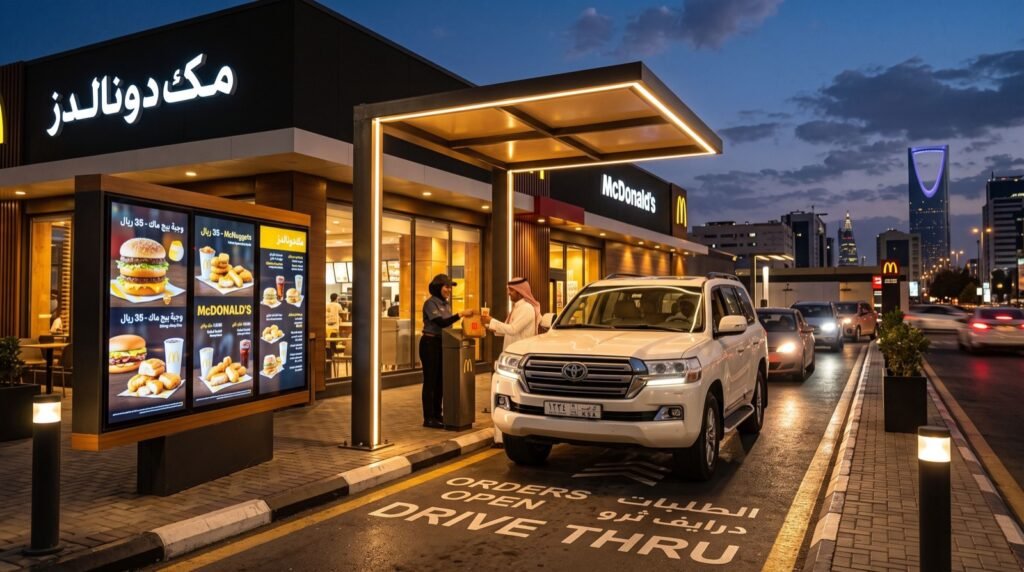
Drive-Thru and Counter Communication Gear Pakistani QSRs Need in 2026
Pakistan’s fast-food and quick-service restaurant (QSR) sector has grown aggressively over the past few years, and with that growth comes a problem many operators didn’t anticipate: communication breakdowns at exactly the two points that matter most — the drive-thru lane and the counter. Order accuracy, speed of service, and customer patience all hinge on hardware most diners never think about: the intercom system taking the car order, and the headset relaying it to the kitchen.
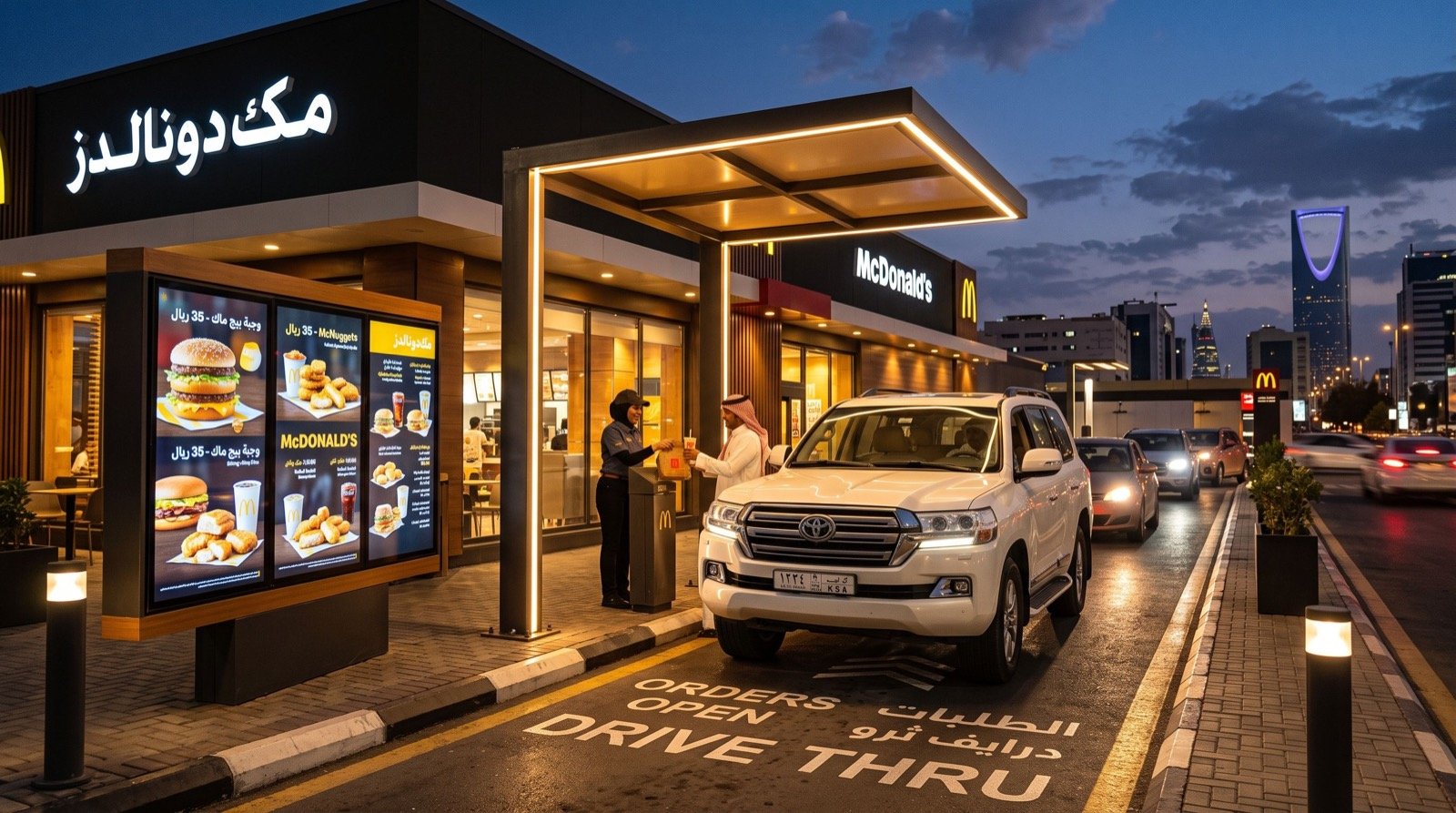
This guide looks at the two pieces of technology driving measurable improvements for Pakistani QSR and retail operators in 2026 — a dedicated HME drive thru in pakistan system, and the professional headsets that keep order-takers and kitchen staff in sync — and explains how to evaluate, budget for, and roll out both without slowing down a busy lunch rush.
Why Drive-Thru Accuracy Is a Bigger Business Problem Than It Looks
Every misheard order at a drive-thru window costs more than the price of a free refund. It costs prep time, wasted inventory, a slower-moving line behind the confused car, and — worst of all — a customer who quietly stops coming back. Industry benchmarking from the QSR industry press has long shown that order accuracy and speed-of-service times are two of the strongest predictors of repeat visits, right alongside food quality itself.
In Pakistan’s increasingly competitive drive-thru market — spanning major chains and growing local brands alike — operators can no longer treat the intercom as a commodity afterthought. It’s a frontline revenue tool.
What a Modern HME Drive-Thru System Actually Includes
- Outdoor digital menu board with integrated speaker and microphone
- Base station routing audio clearly to kitchen headsets
- Vehicle-detection loop that times each car automatically
- Noise-reduction processing tuned for outdoor traffic and wind
- Timer displays so managers can track drive-thru speed in real time
The vehicle-timing feature alone changes how managers run a shift. Instead of guessing whether the lunch rush is slowing down, they can see exact car-to-car timing on a dashboard and reassign staff before a backup forms in the parking lot.
Why the Headset on the Other End Matters Just as Much
A crystal-clear drive-thru speaker is only half the equation. The order-taker standing at the register, often juggling an in-person customer and an incoming car order simultaneously, needs a headset that isolates their voice from grill noise, fryer alarms, and a packed dining room. This is exactly the gap the Addasound Epic 511 was designed to close — a lightweight, noise-canceling headset built for exactly this kind of loud, multitasking retail floor.
Operators who upgrade headsets alongside their drive-thru intercom consistently report fewer “can you repeat that” moments between staff, which directly shortens average order time during peak hours.
Drive-Thru Intercom vs. Counter Headset: Different Jobs, Same Goal
| Feature | Drive-Thru Intercom | Counter/Kitchen Headset |
|---|---|---|
| Primary user | Customer in vehicle + order-taker | Staff across register, kitchen, drive-thru window |
| Main challenge solved | Outdoor noise and wind interference | Indoor kitchen noise and multitasking |
| Key metric improved | Car-to-car service time | Order accuracy, staff fatigue |
| Typical lifespan | 5-7 years | 2-3 years per unit with daily use |
How Should a QSR Budget for This Upgrade?
Costs depend on store format and headcount, but most single-location upgrades bundle one outdoor menu board and speaker post, a base station, and three to six headsets covering the register, kitchen expo, and drive-thru window positions. Multi-location franchise groups typically negotiate volume pricing once they commit to standardizing across five or more stores, which also simplifies staff training since every location runs the same hardware.
Rolling Out Without Disrupting Service
- Schedule installation during off-peak hours, usually mid-morning or late evening, to avoid disrupting lunch and dinner rushes.
- Train staff on headset etiquette — when to mute, how to hand off an order, and how to troubleshoot a dead battery mid-shift.
- Run a one-week comparison of average order times before and after the upgrade to quantify the improvement for ownership or franchise reporting.
- Keep spare headsets on-site. A single dead unit during a rush shift shouldn’t be able to slow down the whole line.
Operators comparing vendors for either upgrade often do better working with quality service providers who can also help streamline the invoicing and procurement side of a multi-store rollout, since hardware budgeting rarely stops at a single receipt.
What Separates a Good Rollout From a Great One?
Plenty of QSR operators install new intercom hardware and call the project finished. The operators who see the biggest gains go a step further, treating the launch as an ongoing process rather than a one-time install:
- They review timer data weekly for the first two months, not just once at launch
- They rotate which staff member handles headset troubleshooting so the knowledge isn’t locked in one person’s head
- They collect informal customer feedback at the window, asking regulars if the order process feels faster
- They budget for a mid-year audit of headset condition before peak season, rather than waiting for a unit to fail mid-shift
None of these steps cost much money. They cost attention — and that attention is usually what separates a drive-thru upgrade that pays for itself within a year from one that quietly underperforms because nobody followed up after the installers left.
Seasonal Demand and Why Timing the Upgrade Matters
Pakistan’s QSR sector sees sharp seasonal swings, from Ramadan iftar rushes to summer evening traffic once the heat breaks. Installing new drive-thru and headset equipment well before these peak windows gives staff time to build muscle memory with the new system before the busiest nights of the year arrive. Operators who wait until the rush has already started to troubleshoot unfamiliar equipment tend to see the opposite of the intended benefit — slower service exactly when speed matters most.
Frequently Asked Questions
How much faster does a modern drive-thru system make service?
Results vary by store layout and staffing, but operators commonly report noticeably shorter car-to-car times within the first month, largely because managers can finally see where slowdowns occur instead of guessing.
Do headsets need to be replaced often in a kitchen environment?
Kitchen and counter headsets see heavier daily wear than office equipment, so most operators plan for replacement every two to three years, sooner if units are shared across multiple shifts without proper care.
Can a single-location restaurant justify this investment?
Yes. Entry-level drive-thru intercom packages and small headset bundles have become accessible even for independent restaurants, not just national chains, especially as financing and leasing options have expanded in 2026.
What’s the biggest mistake operators make during installation?
Scheduling the installation during peak hours. Even a well-planned upgrade causes some temporary disruption, so timing it for a slow period protects both revenue and customer experience during the transition.
The Bottom Line
Speed and accuracy win drive-thru customers in 2026, and both depend on hardware most diners never see. Pairing a reliable HME drive thru in pakistan deployment with headsets built for a loud, multitasking kitchen floor turns a chaotic rush hour into a smooth, repeatable process — and that consistency is exactly what keeps customers coming back for more than just the food.